How toys are manufactured depends on one decision you make at the very beginning: the material. A plush mascot and an injection-molded PVC figure follow the same backbone — design review, prototyping, tooling, production, finishing, quality control and packing — but the workshop floor looks completely different.
At WEIMEI TOYS, we run both soft and rigid production lines across our Dongguan and Shenzhen facilities. This guide walks through each stage of the process, so you know exactly what happens after you send us a design file, what to prepare before production starts, and what to check before your order ships.
- The Big Picture: How Toys Are Manufactured in 8 Stages
- How Are Stuffed Animals Made in a Factory?
- How Are Plastic Toys Made?
- Quality Control and Safety Testing
- What Affects Your Timeline and Quote?
- Frequently Asked Questions
- Conclusion
The Big Picture: How Toys Are Manufactured in 8 Stages
However different the final products look, how toys are manufactured follows a shared backbone. Here is the journey a custom project takes through our factory:
- Inquiry and design review — you send artwork or reference images; we confirm size, material, quantity and target market.
- Prototyping — our design team turns your file into a 3D rendering or physical sample for approval.
- Tooling — rigid toys need molds; plush toys need paper patterns and templates.
- Material preparation — fabrics are sourced and inspected; plastic pellets and paints are prepared.
- Mass production — soft toys are cut, sewn and stuffed; rigid toys are molded and cast.
- Painting, finishing and assembly — colors, details and accessories are applied and assembled.
- Quality control and safety testing — inline checks plus a 100% pre-shipment inspection.
- Packing, warehousing and dispatch — goods are bagged or boxed, stored and shipped.
The way how toys are made in factories only truly splits at stage 5: sewing lines for plush, molding machines for plastic and vinyl. Everything before and after — design approval, QC, packing — is shared.
How Are Stuffed Animals Made in a Factory?
How are stuffed animals made in a factory? At WEIMEI TOYS the plush line runs ten steps:
- Pattern making — a master pattern and templates are built and sized, guiding all fabric cutting.
- Design drawings — detailed drawings mark facial features and print positions, locking the production standard.
- Printing — custom designs such as your logo are printed onto fabric, checked for clarity and completeness.
- Embroidery — details like eyebrows and pockets are embroidered for a refined finish.
- Laser cutting — fabric pieces are laser-cut for clean, uniform edges.
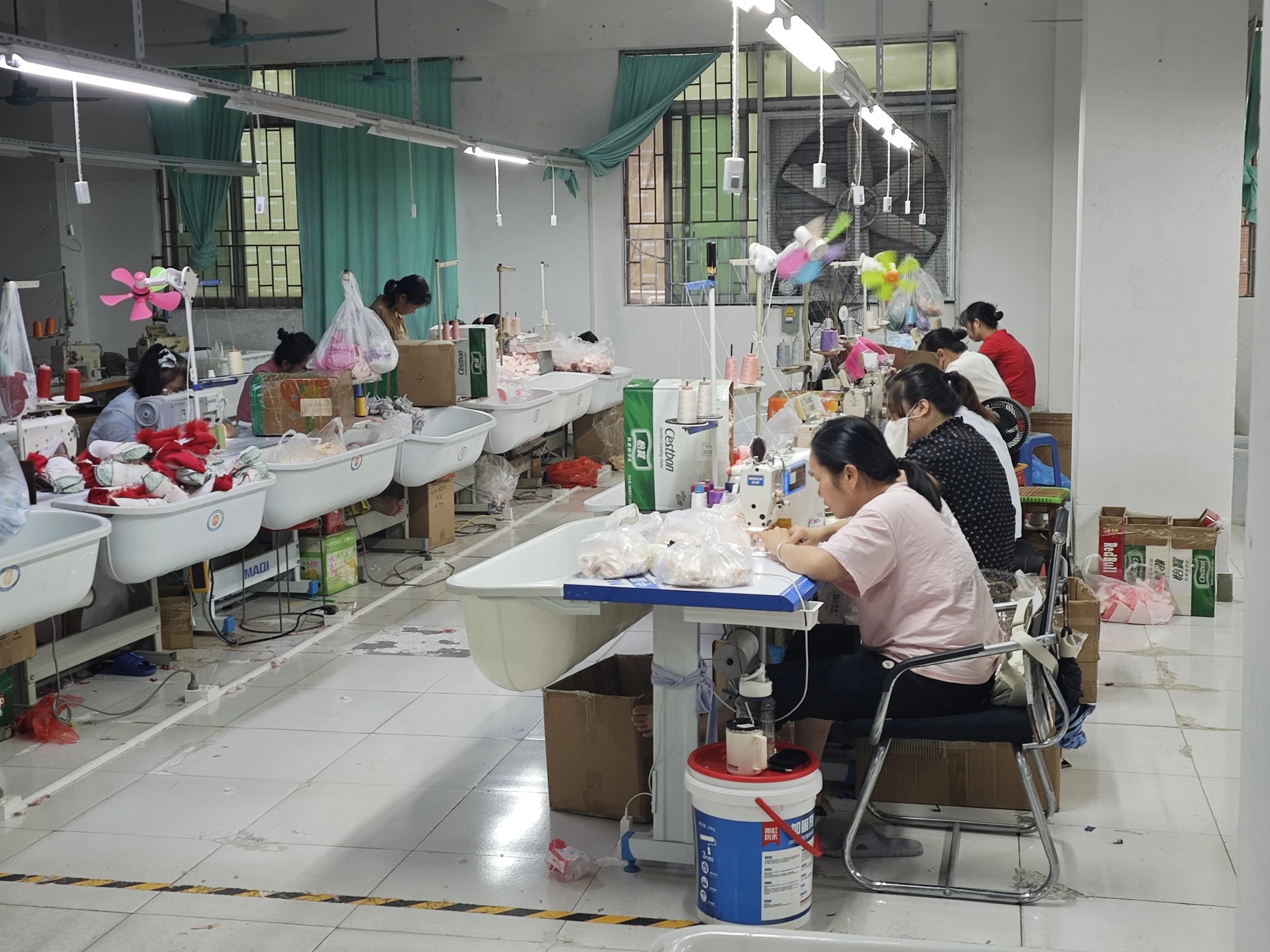
- Sewing — panels are sewn into shape, leaving one opening for stuffing, with reinforced seams.
- Stuffing — filling is blown in through the opening until the toy is full, then the opening is sealed to form the 3D shape.
- Inspection — finished toys are checked for seam quality and even stuffing; defects are removed.
- Packaging — approved toys are bagged or boxed to protect them in storage and transit.
- Warehousing — packed goods are stored and allocated for shipment.
Buyer tip: at the sample stage, check fabric hand-feel, embroidery alignment and seam strength — these three decide how the bulk order feels. For cost drivers on this line, see our custom plush pricing guide, and for the ordering flow see our 6-step ordering article.
How Are Plastic Toys Made?
How are plastic toys made? The manufacturing process of plastic toys in our factory runs eight steps:
- Design — your artwork is reviewed for structure and moldability.
- 3D modeling and prototyping — a digital model and physical prototype are produced for approval.
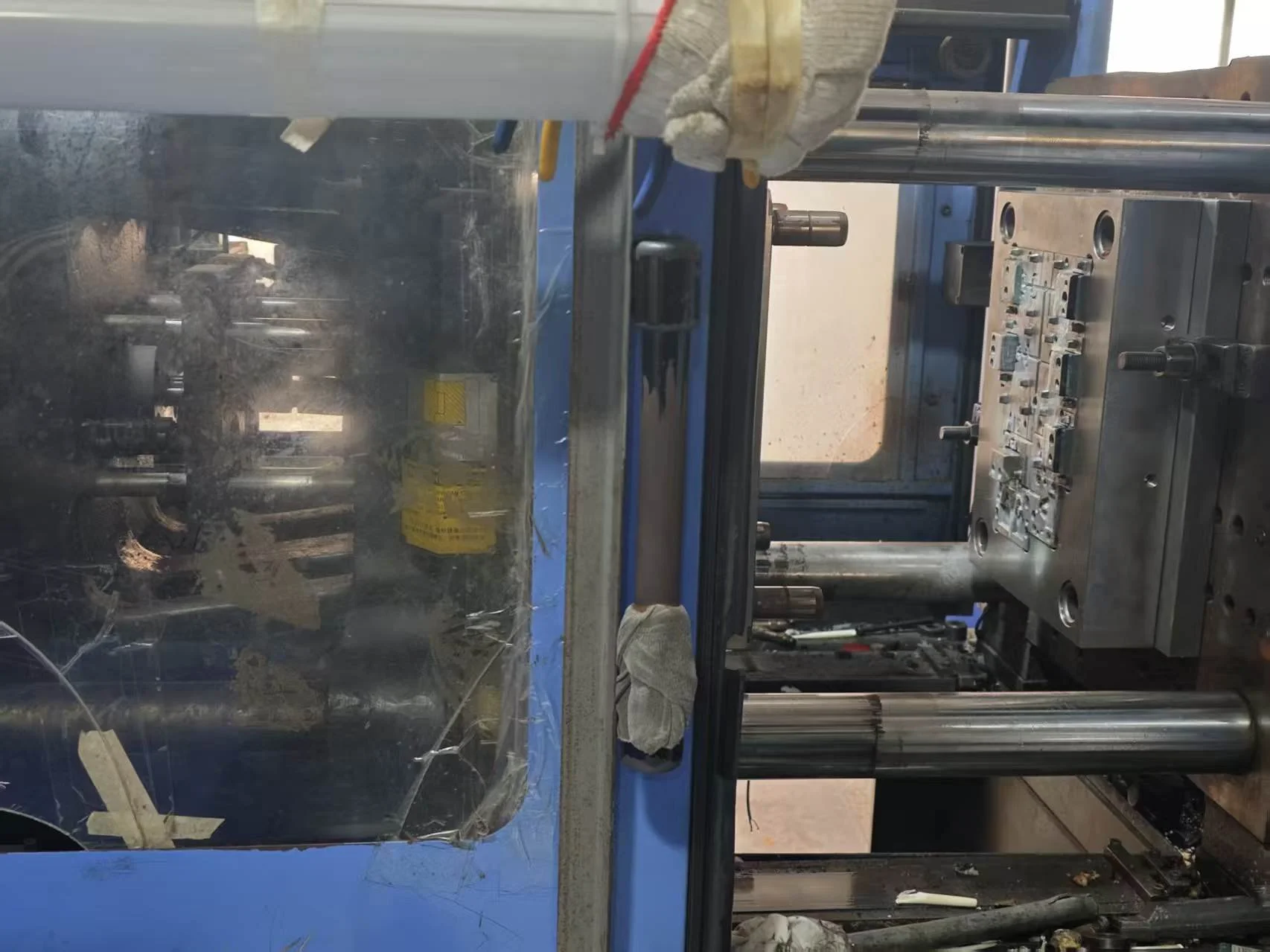
- Mold making — steel molds are machined; this is usually the largest one-time investment in a rigid toy project.
- Injection molding — molten plastic is injected into the molds to form the parts.
- Painting and surface finishing — colors and fine details are applied.
- Assembly — parts, joints and accessories are put together.
- Quality inspection and packaging — each batch is checked and packed.
- Dispatch — cartons are shipped to your destination.
Because molds are fixed-cost items, quantity has a bigger effect on unit price here than on the plush line. Material choice also changes the process — our plastic materials guide explains the common options.
How Are Vinyl Toys Made?
How are vinyl toys made? Vinyl (sofubi-style) figures are typically produced by rotational casting: liquid vinyl paste is poured into metal molds, rotated and heated so it coats the mold walls, then cooled, demolded, trimmed and hand-painted. The exact route is confirmed per project — our custom vinyl figure article shows the full artwork-to-production flow.
Quality Control and Safety Testing
Quality is checked twice: inline during production, and again as a 100% pre-shipment inspection before anything leaves the factory. Our manufacturing system is ISO-certified.
Safety compliance depends on your target market, so tell us where the toys will be sold when you inquire:
- United States: ASTM F963 is the standard consumer safety specification for toys, referenced by the CPSC under the CPSIA.
- European Union: the Toy Safety Directive 2009/48/EC sets the safety criteria, with CE marking required before toys enter the EU market.
WEIMEI TOYS can support ASTM and CE/EN 71 test arrangements for custom orders; the exact test plan is confirmed per product and market.
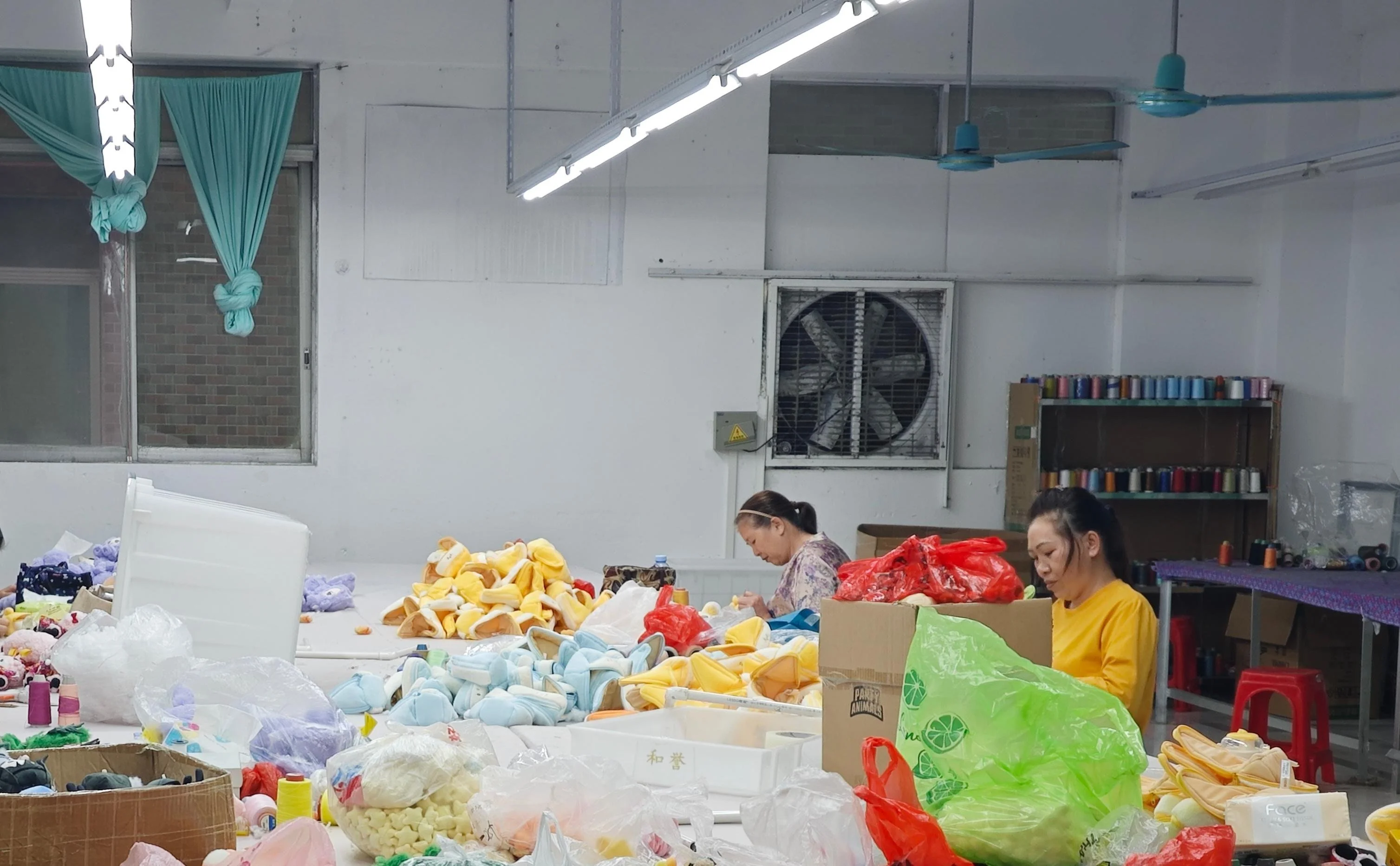
What Affects Your Timeline and Quote?
No two custom projects cost the same, and honest factories will not quote before reviewing your design. Five variables decide both timeline and price:
- Design readiness — production-ready artwork moves straight to sampling; rough concepts need design work first.
- Material and process — plush projects skip molds; rigid projects budget for mold making first.
- Quantity — we handle batches from dozens of pieces up to tens of thousands; larger runs spread fixed costs thinner.
- Decoration complexity — embroidery, printing colors and hand-painted details all add workshop time.
- Destination and testing — target-market safety tests add steps before shipment.
Share these five points in your first inquiry and you will get a usable quote instead of a rough guess.
Frequently Asked Questions
Are you a trading company or a real factory?
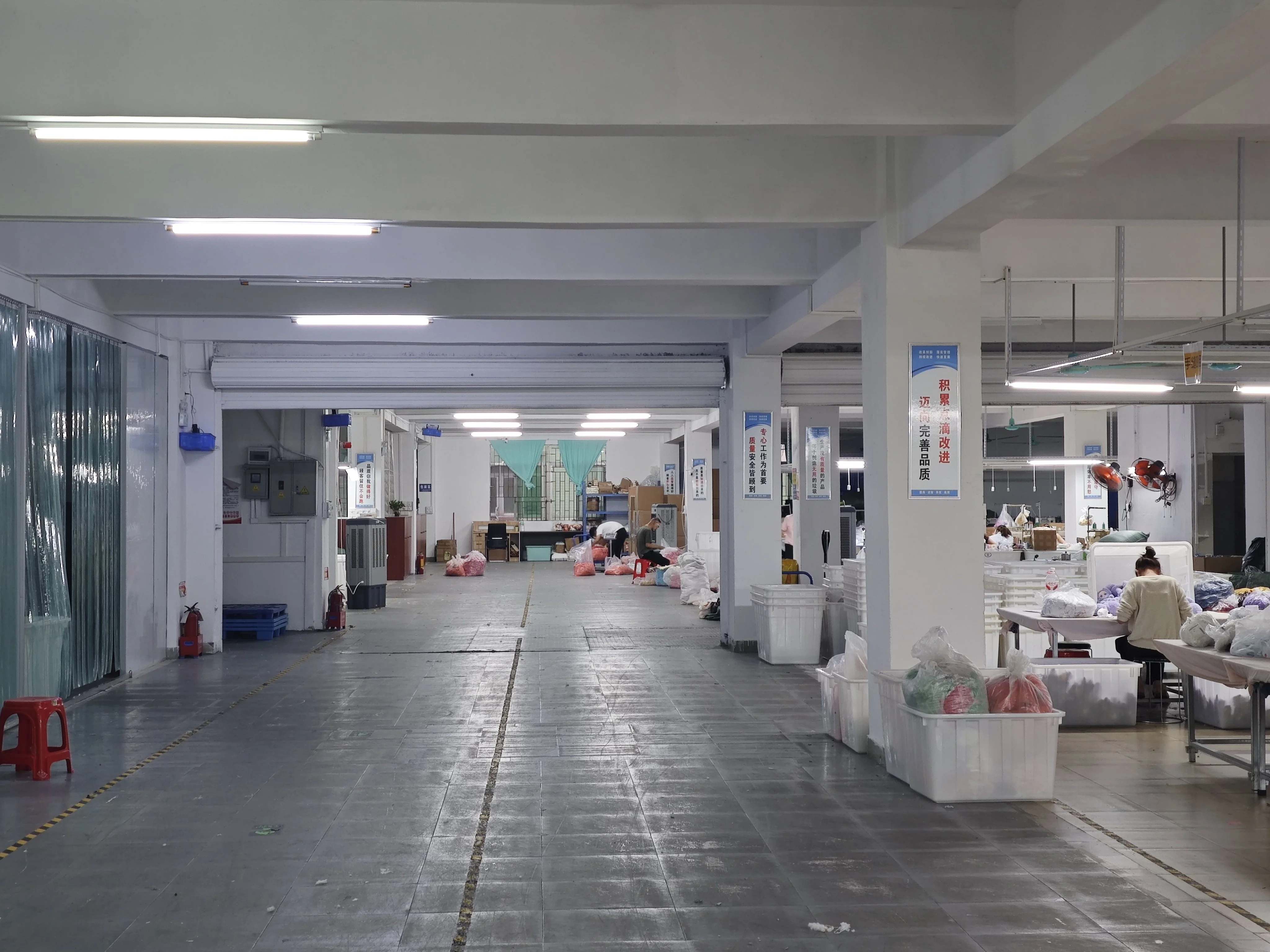
We are a factory. WEIMEI TOYS has over 10 years of custom toy experience with two production bases: a 3,500 m² Dongguan plant with 80–100 production staff, and a 600 m² Shenzhen facility with a 16-member team, plus an 8-person office team coordinating projects. You can read more on our About Us page.
What should I send to start a custom toy project?
Send your artwork or reference images (AI, PDF, PSD or clear photos), target size, quantity, preferred material and target market. A dedicated project manager replies one-on-one with a custom quote.
Can one project combine different materials?
Yes. We work with plush, vinyl, resin, PVC, acrylic, hardware and embroidery — for example a plush body with an acrylic keychain attachment. Mixed-material projects are planned in one production schedule.
Do you accept small trial orders?
Yes. We produce batches from dozens of pieces for personalized projects up to tens of thousands for bulk orders, with the same QC standard at both ends.
Conclusion
How toys are manufactured comes down to one backbone — design, prototype, tooling, production, finishing, QC, packing — with the workshop floor changing by material. Knowing these stages lets you prepare the right files, ask the right questions and judge whether a supplier actually runs a factory. When you are ready, send us your design file and target quantity, and we will map your project onto this process step by step.
Start Your Custom Toy Project
Tell us what you want to make: send your artwork, quantity and target market, and our team will reply with a production plan and custom quote.