The right plastic depends on what each part must do. A rigid shell, a flexible accessory and a hollow display figure can need different material specifications. This guide to plastic materials used in toy manufacturing compares ABS, PP, PE and PVC, then shows what to check before approving a choice.
Start with the intended use, feel, structure and finish. Shortlist a material family, ask for the proposed grade or compound, and review a representative sample. A familiar resin name is a starting point; the final decision also needs evidence from the actual design.
Contents
- Start with the Part and Its Intended Use
- Material Choices for Plastic Toy Manufacturing
- Match the Material to Injection Molding for Toy Manufacturing
- Check Surface Finish Before Plastic Toy Production
- Turn the Material Choice into a Written Specification
- Frequently Asked Questions
- Discuss Your Material Requirements
Start with the Part and Its Intended Use
Describe the product in terms a supplier can evaluate. Will users hold it, bend an accessory, open a joint or mainly display it? Mark the parts that must stay rigid and those that should flex. Include the intended age group and destination market so the material proposal can be reviewed in the right context.
Set Priorities for Plastic Toy Manufacturing
Separate essential requirements from preferences. For a display figure, preserving a sharp facial feature may matter more than a squeezable body. For a part that must bend during assembly, flexibility may matter more than a glossy finish. If those priorities conflict, ask for a revised part design or separate material options rather than accepting an unexplained substitution.
Record four decisions before requesting material samples:
- Use: display, handling, movement and expected environment.
- Feel: rigid, flexible or soft, with a physical reference if possible.
- Structure: solid or hollow, separate parts and connection points.
- Appearance: molded color, painted areas, texture and gloss.
Material Choices for Plastic Toy Manufacturing
Use the following comparison to prepare questions, not to approve a material from a name alone. The examples are starting points for discussion; grade, formulation and part geometry still need confirmation.
ABS for Rigid Parts and Defined Surfaces
ABS is a candidate for a rigid shell, base or detailed component. Protolabs describes ABS as offering strength, stiffness, impact resistance and a surface that can be finished after forming. [1] Ask whether the proposed grade suits your part dimensions and finish. For outdoor exposure, request a specific review rather than assuming ordinary ABS will retain its appearance.
PP and PE for Different Flexibility Requirements
PP can be considered where low weight and flexing behavior matter. Its decoration requirements deserve attention: Protolabs notes that PP has low surface energy, which can make paint and adhesive bonding difficult without suitable treatment or formulations. [2] Review the finished part if the design depends on printed details, glued joints or a painted face.
PE also needs a more precise specification. The same reference distinguishes flexible LDPE from HDPE, which offers a different balance of properties. [2] Ask which type and grade is proposed, then judge stiffness, recovery after bending and connection fit on a sample. Do not treat PP, HDPE and LDPE as interchangeable options simply because all are plastics.
PVC Requires a Defined Compound and Hardness
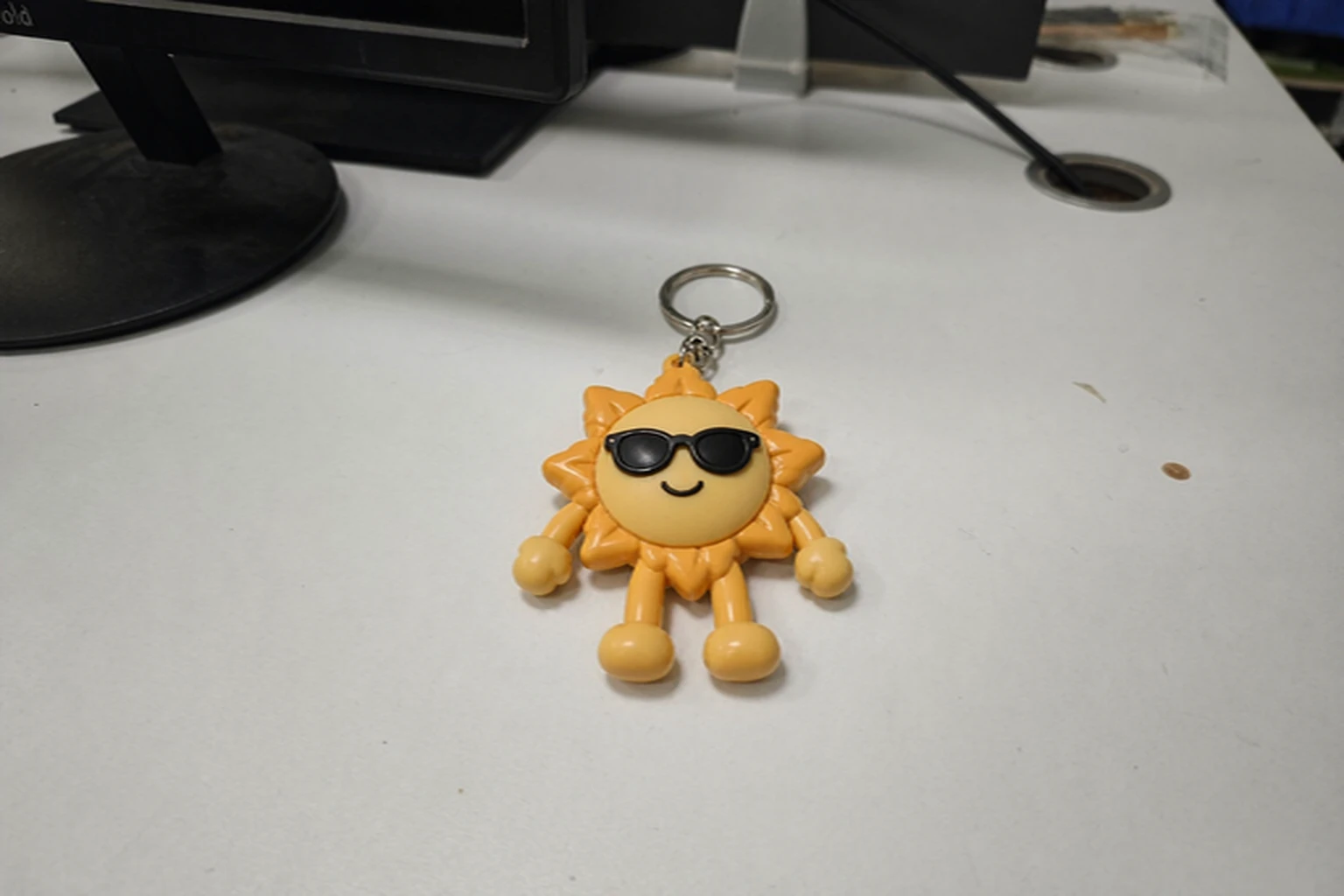
PVC does not describe one fixed level of softness. Teknor Apex explains that vinyl compounds combine PVC resin with additives, and that plasticizers help create flexible formulations. [3] For a soft accessory or vinyl figure, request the intended hardness, a representative feel sample and the compound identification. A soft appearance in a render cannot establish how the finished part will behave.
Match the Material to Injection Molding for Toy Manufacturing
Keep the material specification and the production method separate. ABS and PP are material families; injection molding is a way of forming parts. Both appear among Protolabs’ injection molding material options. [1] [2] Choosing a family does not settle whether the proposed grade and part design suit a particular mold.
Confirm the Grade for Injection Molding for Toy Manufacturing
Ask the factory to review wall thickness, thin projections, joining features and the surfaces that must remain visually clean. Require it to identify the proposed resin grade and explain any design changes needed for that choice. If a material change is suggested after tooling has been planned, ask whether the tool, dimensions, finish or approval sample must change too.
PVC Is a Material and Slush Casting Is a Process
Do not use “PVC,” “vinyl” and “slush casting” as if they were identical specifications. A hollow vinyl proposal needs a stated compound and forming route, with the openings, joints and wall construction made clear. For the broader development stages, read our custom vinyl figure development guide. Keep this material decision tied to the particular construction being proposed.
Discuss Your Toy Material Requirements
Check Surface Finish Before Plastic Toy Production
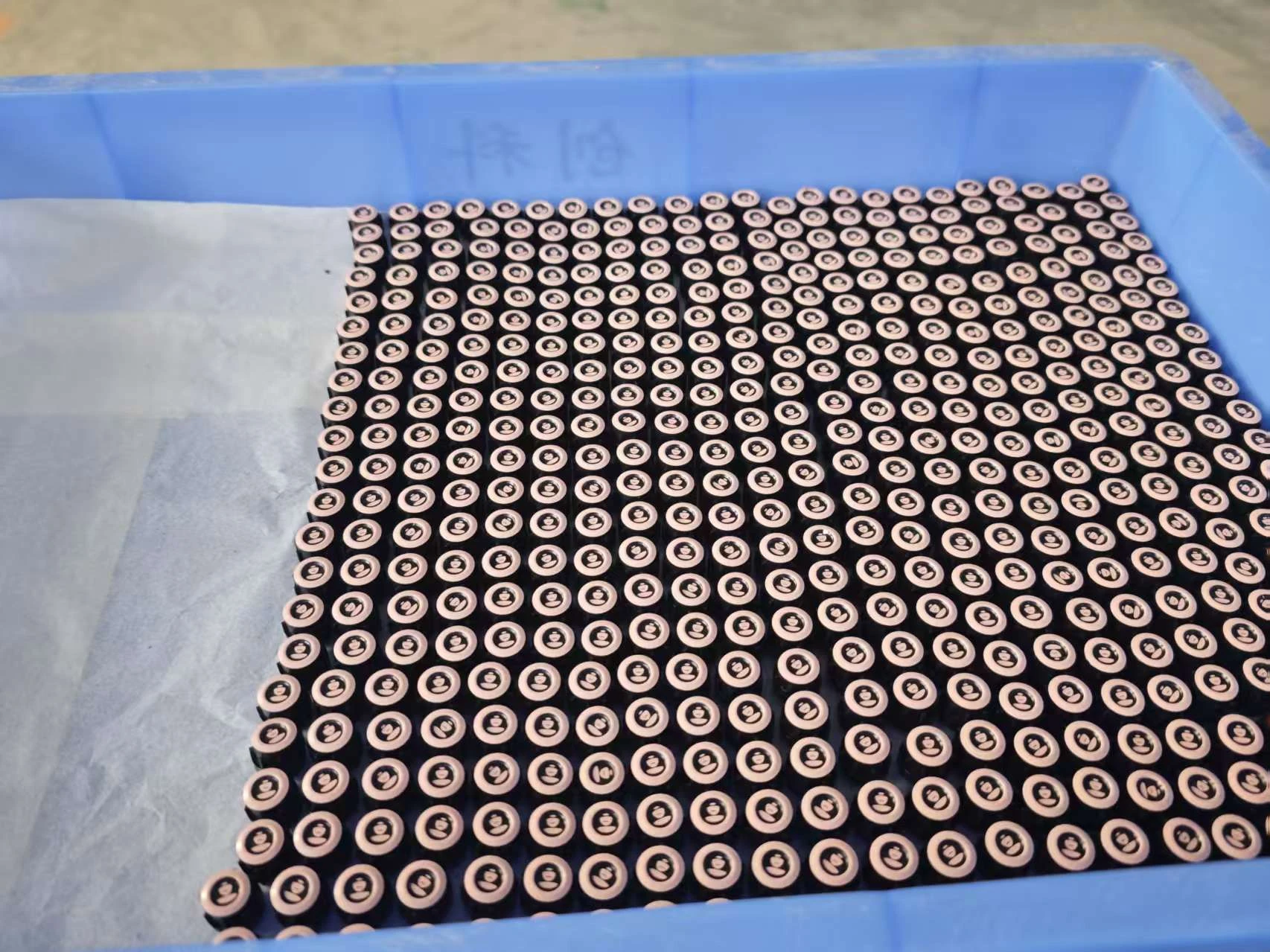
Specify whether color comes from the material itself, paint or printing. Mark the areas where texture and gloss matter, especially around facial features and matching parts. Ask for a finished sample using the proposed material and decoration system. A color chip alone cannot show how a curved, textured or assembled part will look.
Separate a Shape Model from a Material Sample
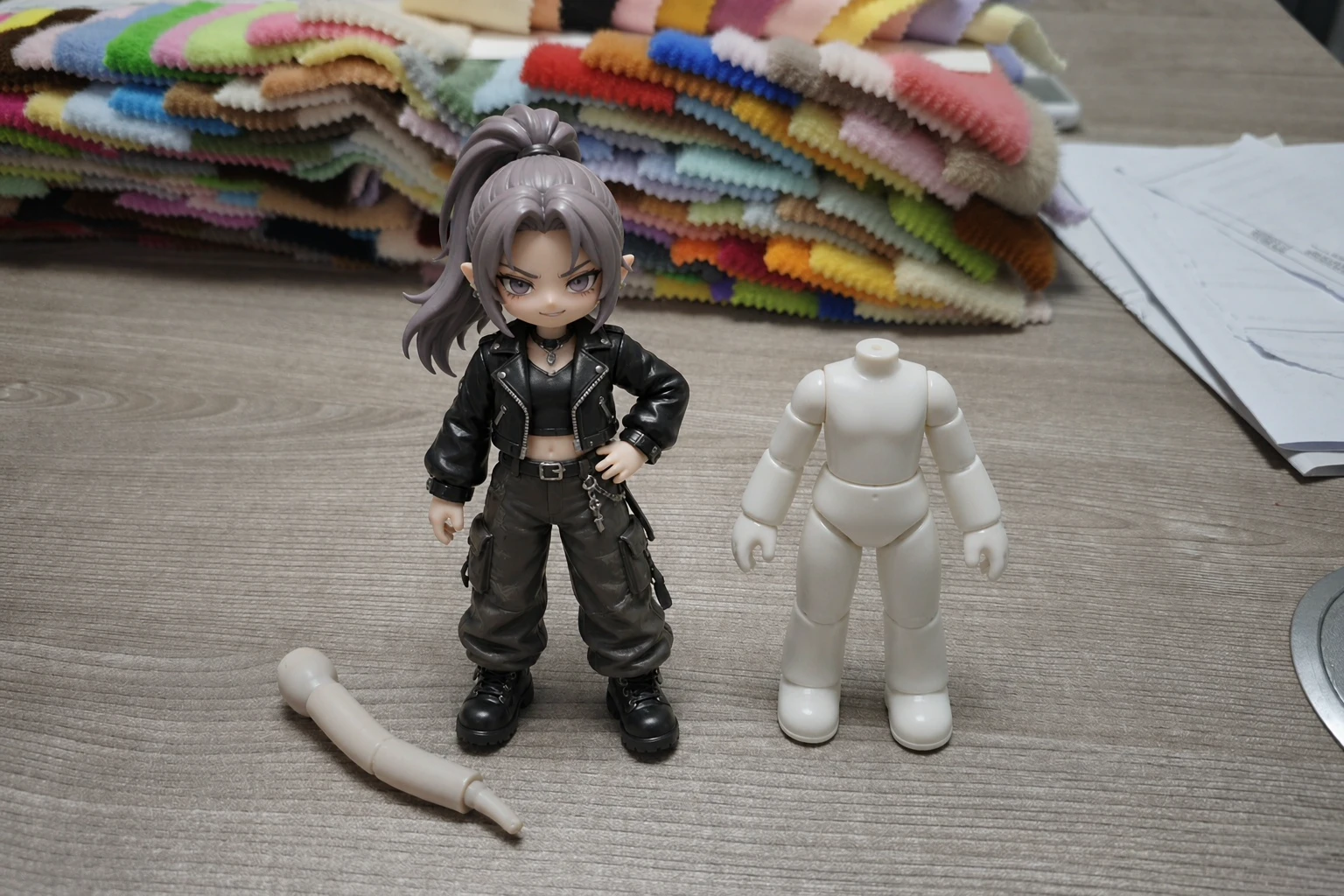
Ask what every sample is intended to prove. A printed shape model can help review proportions and assembly access, but approval of that model should not automatically approve the production material. Record which sample represents the resin or compound, which represents decoration, and which demonstrates the assembled product. Resolve any differences before signing off.
Check the finished sample in the ways relevant to its use: inspect joints, compare paired parts, handle the surface and review the agreed bending or movement requirements. Define the acceptance method with the supplier instead of relying on “feels durable.” Material data sheets support selection, but they do not by themselves establish that the finished toy meets every product requirement.
Turn the Material Choice into a Written Specification
Give each main part its own specification entry. A useful record identifies the part, resin grade or compound, target hardness where relevant, forming method, color and decoration, sample version and checks still required. State whether substitutions need written approval. This makes an alternative proposal visible instead of letting “equivalent plastic” become an undefined change.
For example, a fictional figure brief might specify a rigid shell, a flexible accessory and a base. Ask the supplier to propose a material for each, explain the connection between them and supply the relevant sample references. Treat this as a discussion structure, not a tested material combination or a claim about an existing WEIMEI product.
Once the material and construction are agreed, use our guide to comparing plastic figure quotes to check that suppliers price the same specification. Keep fees, quantities and timing in the project quotation. A material family alone cannot establish the total cost or confirm a production schedule.
Frequently Asked Questions
Can one toy use more than one plastic?
Yes, a proposal can specify different materials for different parts. Ask the supplier to explain why each is needed and how the parts connect. Review the complete assembly as well as individual samples; accepting one part does not automatically approve its fit with another.
Does an ABS-like prototype prove the final ABS material?
No. Protolabs distinguishes ABS from ABS-like materials used in printing. [1] Ask for the exact prototype material and its purpose. Use the shape model for the decisions it can support, then require an appropriate sample to assess the proposed production grade and finish.
Can I change the material after receiving a quote?
Request a revised proposal before accepting the change. Ask the supplier to identify its effect on construction, tooling, decoration, samples and price. Update the specification and approval references together so the revised quote describes the product you intend to receive.
Discuss Your Material Requirements
Choose the material by the job of the part, then confirm the grade, forming route and finished sample. Send WEIMEI TOYS your design, dimensions, intended use, age group, destination market and quantity, together with the material questions still open. We can use that brief to discuss the next review step.
References
- Protolabs, “ABS Plastic: Understand the Key Benefits and Applications.” Read the material reference. Scope: ABS properties, forming methods and ABS-like prototype distinction. Accessed: 2026-11-01.
- Protolabs, “Polypropylene (PP): Understand the Key Benefits and Applications.” Read the material reference. Scope: PP weight, flexing, adhesion and related PE types. Accessed: 2026-11-01.
- Teknor Apex, “How PVC Resin is Transformed to Vinyl Compound.” Read the formulation reference. Scope: compounds, additives and flexibility. Published: July 20, 2017. Accessed: 2026-11-01.